twenty_twenty_hindsight
Tarps for Camping and Bushcraft: What I’d Check Before Buying One
A tarp looks simple until you actually need it in the woods. Size, tie-outs, fabric, noise, packed weight, and setup options all matter more than the product photos make it seem.
Tarps / product
Published: May 19, 2026 / Updated: Jun 2, 2026
Prices, availability, and product details can change. Check current details with the seller before buying.
Article
Overview
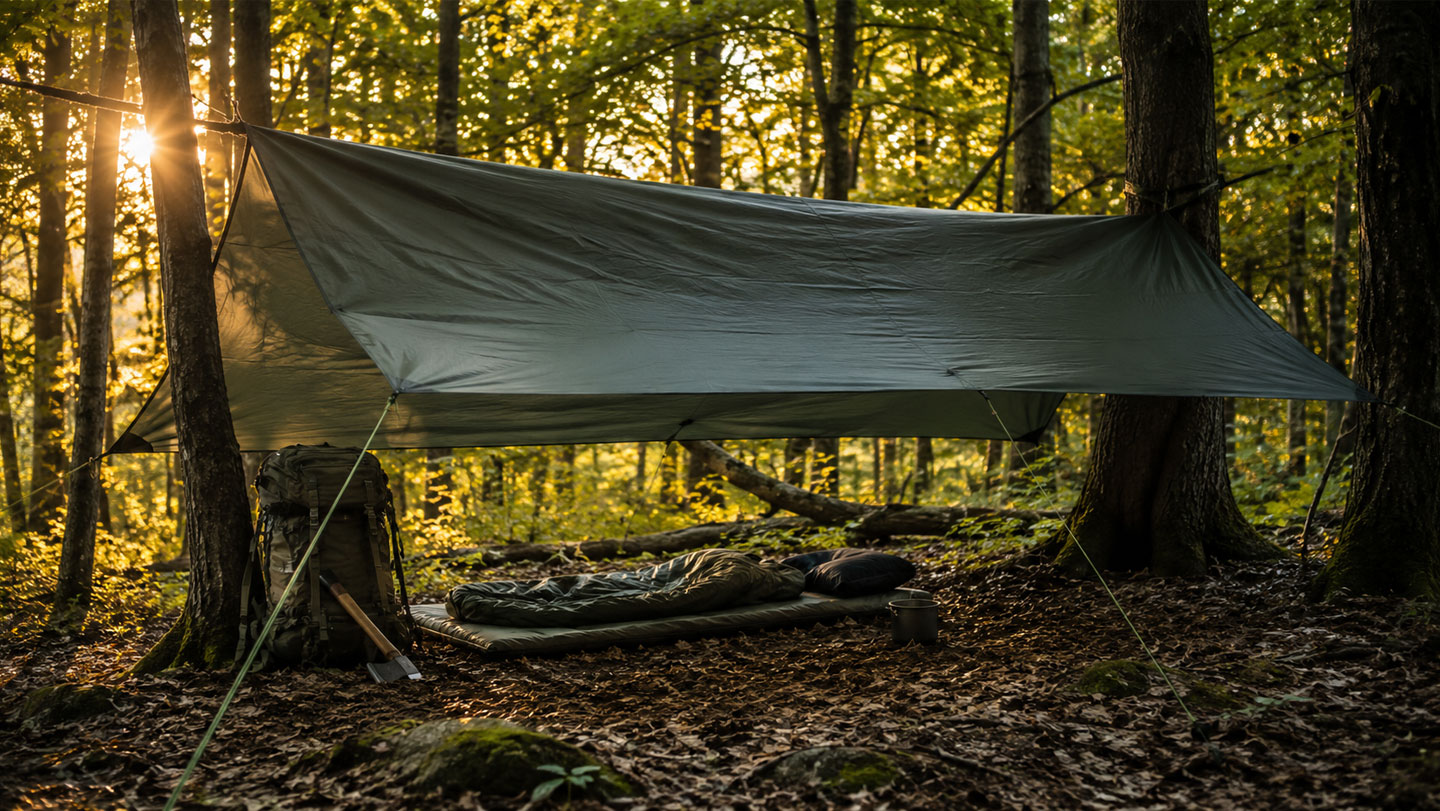
Tarps are one of those pieces of outdoor gear that seem almost too simple to overthink. It is just a sheet of waterproof material, some corners, a few tie-outs, and maybe a stuff sack. But once you start using one for camping, hunting, bushcraft, or bad-weather cover, the small details matter fast.
A good tarp can give you dry space, shade, wind protection, a place to sort gear, a ground barrier, or an emergency shelter. A bad tarp can be loud, heavy, awkward to pitch, weak at the corners, too small to be useful, or too bulky to carry unless you are staying close to the truck.
BuyerProbe’s hindsight take: do not buy a tarp only because it is cheap, huge, or ultralight. Buy one based on where you will use it, how you will pitch it, how much abuse it will take, and whether you will actually carry it.
Why a tarp belongs in your outdoor kit
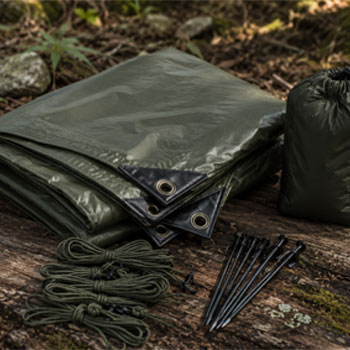
A tarp is not flashy gear, but it earns its place because it solves several outdoor problems at once. It can create shade, block rain, cover gear, protect firewood, give you a dry place to sit, or become an emergency shelter when the weather changes faster than expected.
For camping, hunting, and bushcraft, that flexibility matters. A tent does one job. A tarp can do ten, as long as you have enough cordage, decent tie-out points, and a little practice setting it up.
The mistake is treating every tarp like it is the same. A cheap utility tarp might work around the yard or over a truck bed, but it can be loud, bulky, heavy, and awkward in the woods. A purpose-built camping tarp usually packs smaller, pitches cleaner, and gives you more setup options.
What size tarp should you buy?
Size is where a lot of buyers get it wrong. Bigger sounds better until you have to carry it, find enough room to pitch it, or keep it tight in wind.
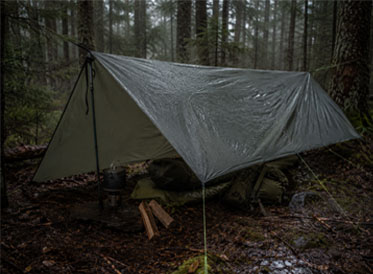
For most solo use, an 8x10 tarp is a strong starting point. It is big enough for a sleeping area, gear cover, or basic rain shelter without becoming ridiculous to pack. A 10x10 gives you more flexibility and better coverage for cooking, sitting, or riding out rain. A 10x12 or larger tarp starts to make more sense for group camp, truck camp, base camp, or covering a larger work area.
The BuyerProbe take: buy enough tarp to create usable dry space, not just enough material to look impressive in the package.
Tie-outs matter more than people think
Tie-out points are one of the biggest differences between a frustrating tarp and a useful one. Corners are not enough if you want flexible setups. Extra side loops, ridge-line points, and reinforced patches give you more ways to pitch the tarp tight, open, low, angled, or storm-ready.
Look closely at the stitching and reinforcement. Weak grommets and thin corner patches can tear when the wind picks up or when the tarp is pulled tight between trees. Sewn loops are often better than cheap metal grommets, especially on lighter outdoor tarps.
If a tarp only gives you four weak corners, it may work as a cover. It may not work well as shelter.
Fabric, waterproofing, and noise
Tarp material affects almost everything: weight, packed size, durability, waterproofing, noise, and price. Polyethylene utility tarps are cheap and tough enough for rough use, but they are bulky and loud. Polyester tarps can be a good middle ground for camping because they resist stretching and can handle wet weather well. Nylon tarps are common in lightweight setups, but some can stretch when wet depending on the coating and build.
Also pay attention to noise. A loud tarp can get annoying fast in wind or rain, especially if you are hunting, trying to sleep, or setting up close to other people. Waterproofing matters, but so does whether the tarp pitches tight and stays quiet enough to live under.
BuyerProbe hindsight verdict
In hindsight, a good tarp is worth buying before you think you need one. It is one of the few outdoor items that can serve as shelter, work area, gear cover, shade, wind block, and emergency backup.
For most buyers, the best choice is not the cheapest blue tarp or the most expensive ultralight shelter. It is a medium-size camping tarp with strong tie-outs, dependable waterproofing, a reasonable packed size, and enough setup flexibility to handle different conditions.
Buy the tarp like you are actually going to use it in bad weather. That means thinking about pitch, cordage, stakes, durability, and how fast you can get it set up when the sky turns dark.
More BuyerProbe Reads
Keep Reading
review / product
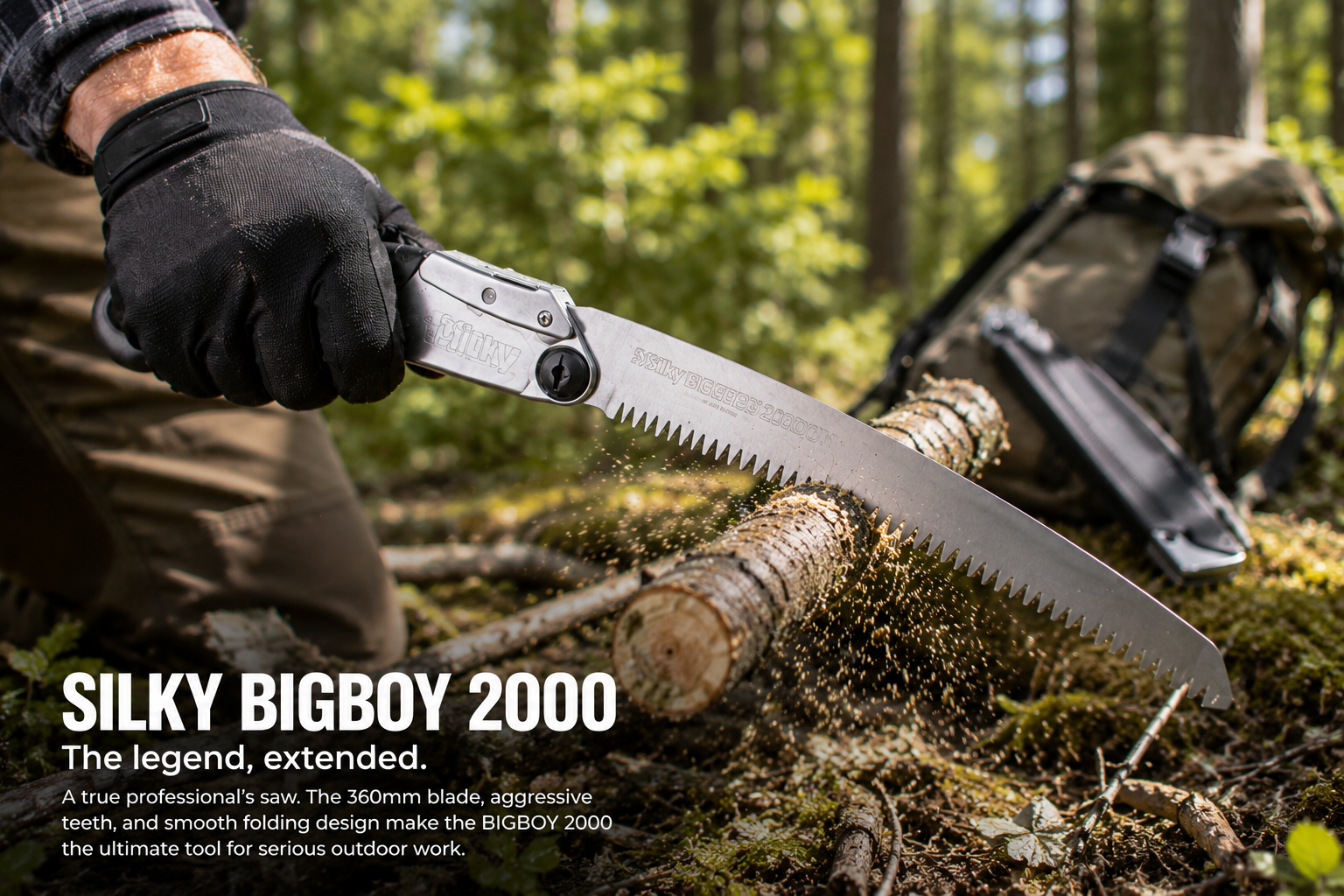
Silky Professional BIGBOY 2000 Folding Saw: durable, fast cutting for heavy yard and trail work
A practical look at the BIGBOY 2000 after a year of regular use. Learn what it handles well, its real limitations, and who should buy it.
review / comparison
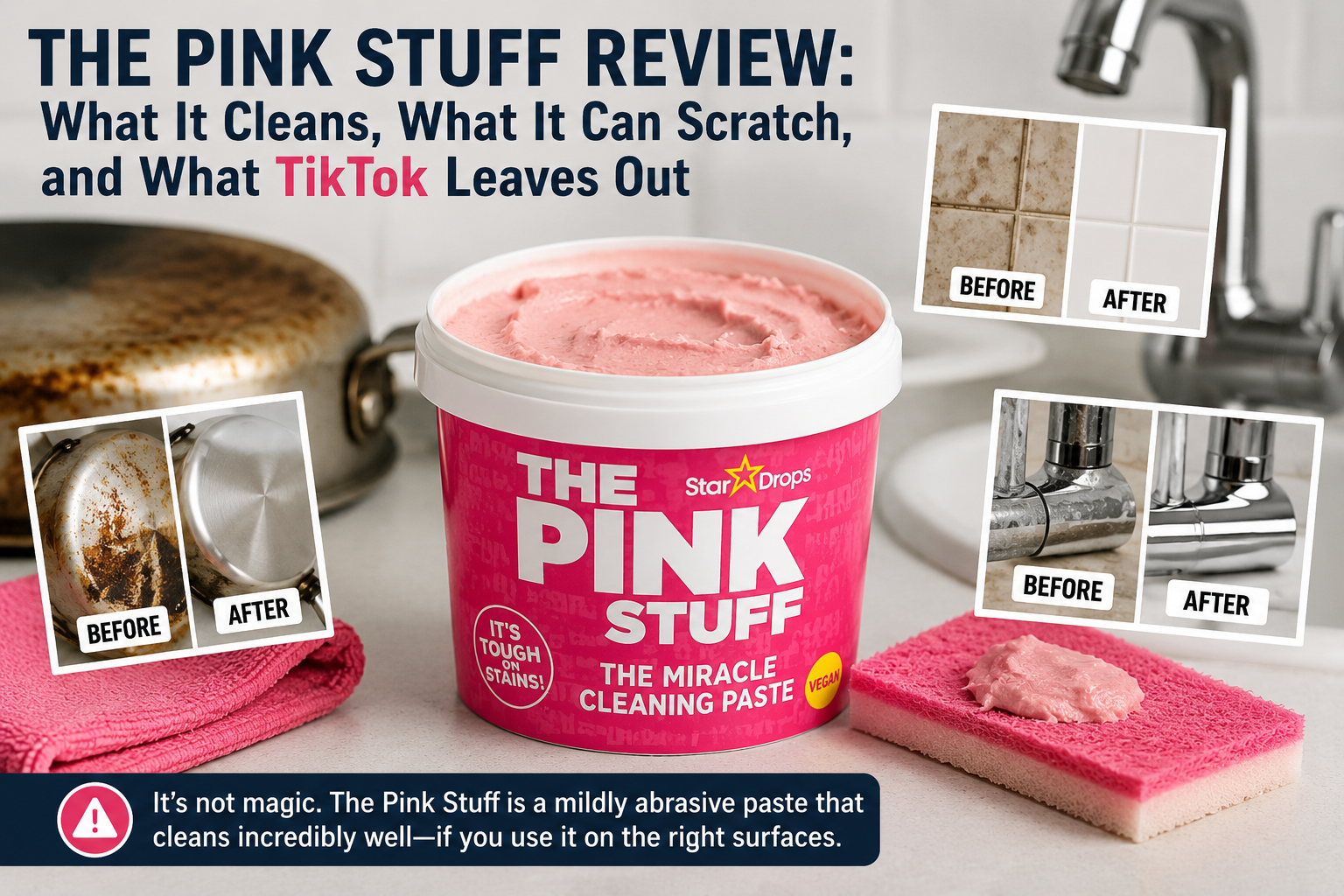
The Pink Stuff Review: What It Cleans, What It Can Scratch, and What TikTok Leaves Out
A practical look at The Pink Stuff Miracle Cleaning Paste and what viral videos do not show. Learn where it shines, where it risks damage, and better options for delicate surfaces.
mistakes / buying_guide
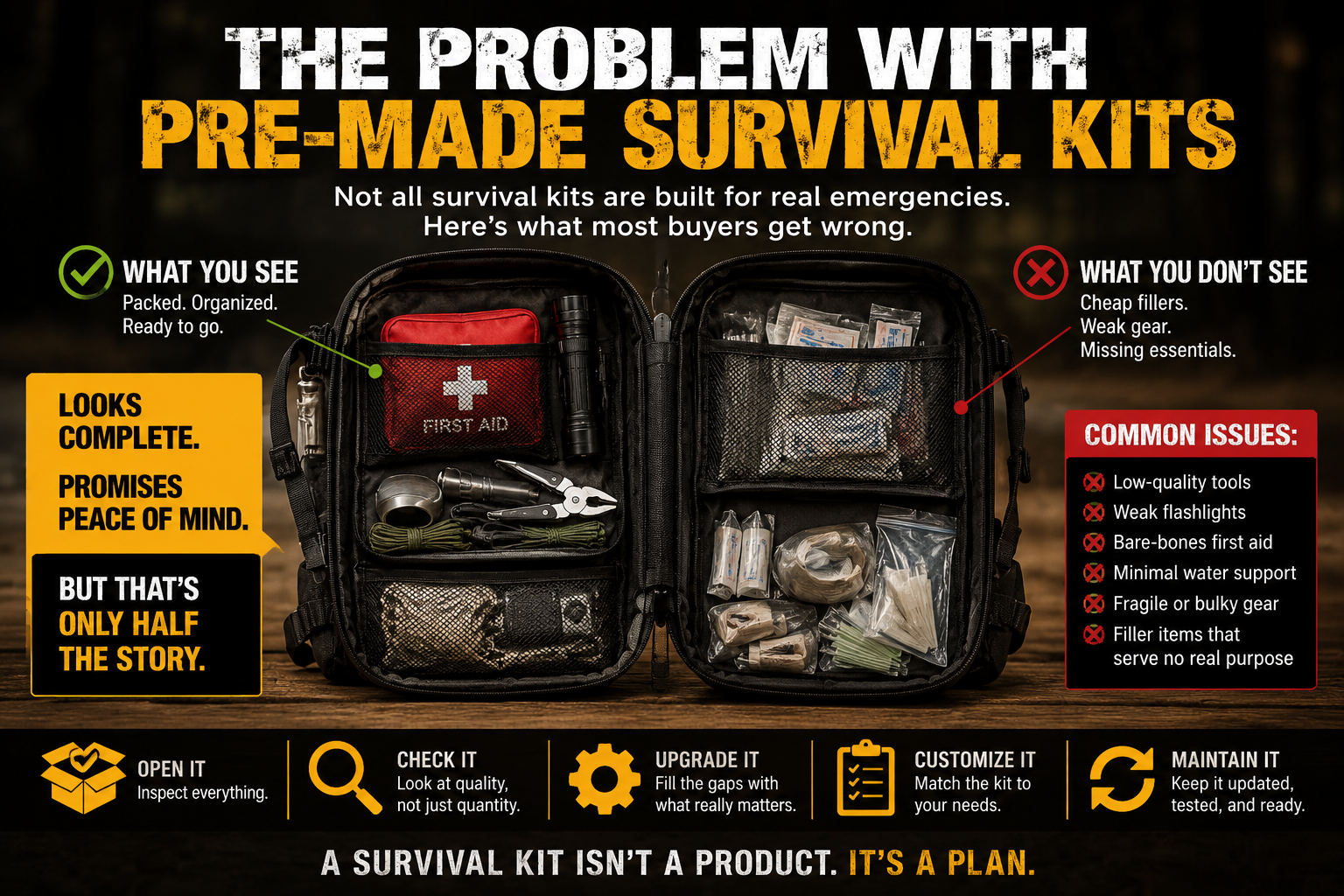
The Problem With Pre-Made Survival Kits
Pre-made survival kits can look like an easy fix for emergencies, but many prioritize shelf appeal over real usefulness. Learn what these kits miss, where they help, and how to vet one before you rely on it.

review / product
Smart glasses buying checklist: what to actually watch for
Smart glasses are tempting, but don’t buy on novelty. This checklist walks through the practical features and tradeoffs to check before you spend.
buying-guide / buying_guide
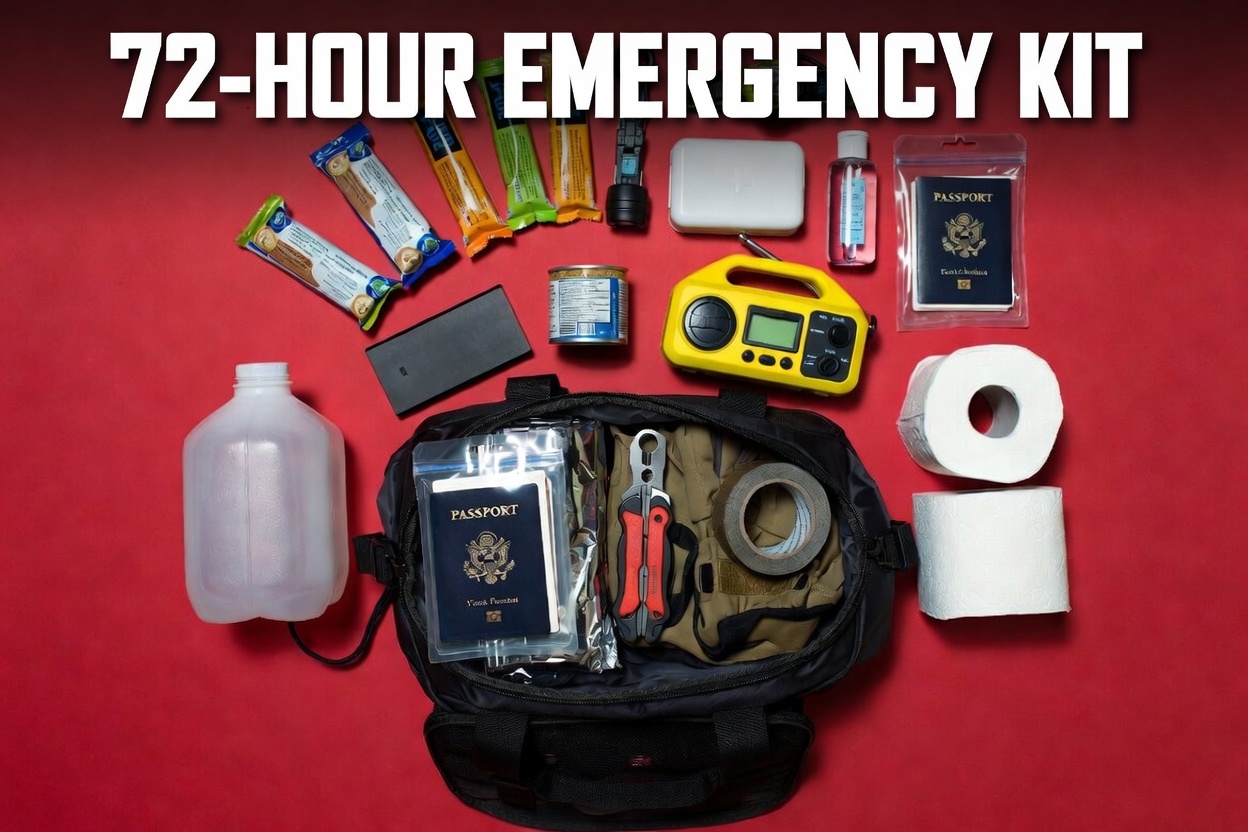
What to Pack in a Practical 72-Hour Emergency Kit
How to build a real 72-hour emergency kit that covers water, food, warmth, hygiene, tools, and meds without filler items that waste space. Learn what to prioritize and what low-value extras to skip.
review / product
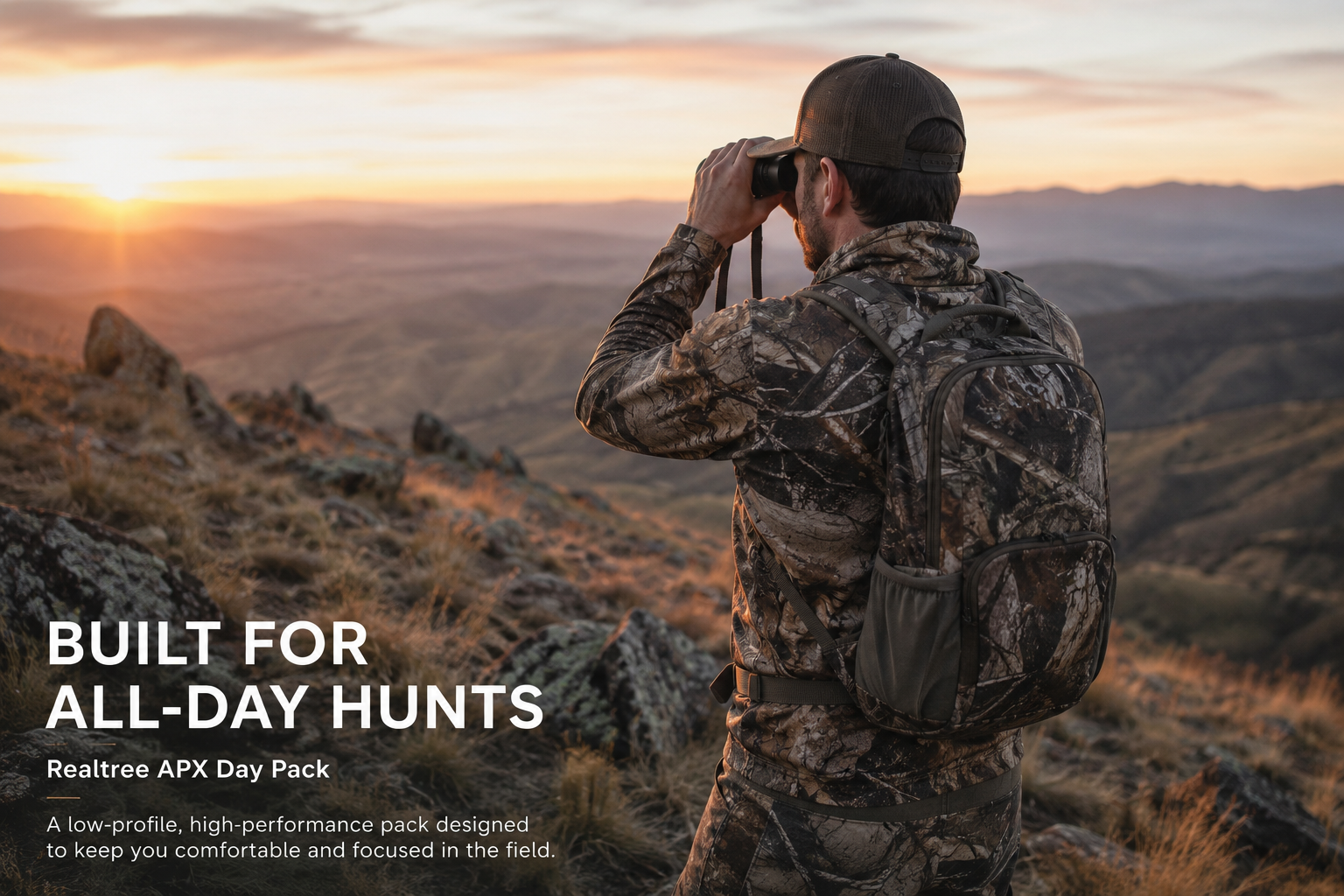
ALPS OutdoorZ Crossfire Pack (Realtree APX) Review: A Comfortable Day Pack for Hunters
A hands-on look at the Crossfire 23L hunting pack. Learn where it shines, who should buy it, and which hunters should look for bigger, tougher alternatives.
hindsight / product
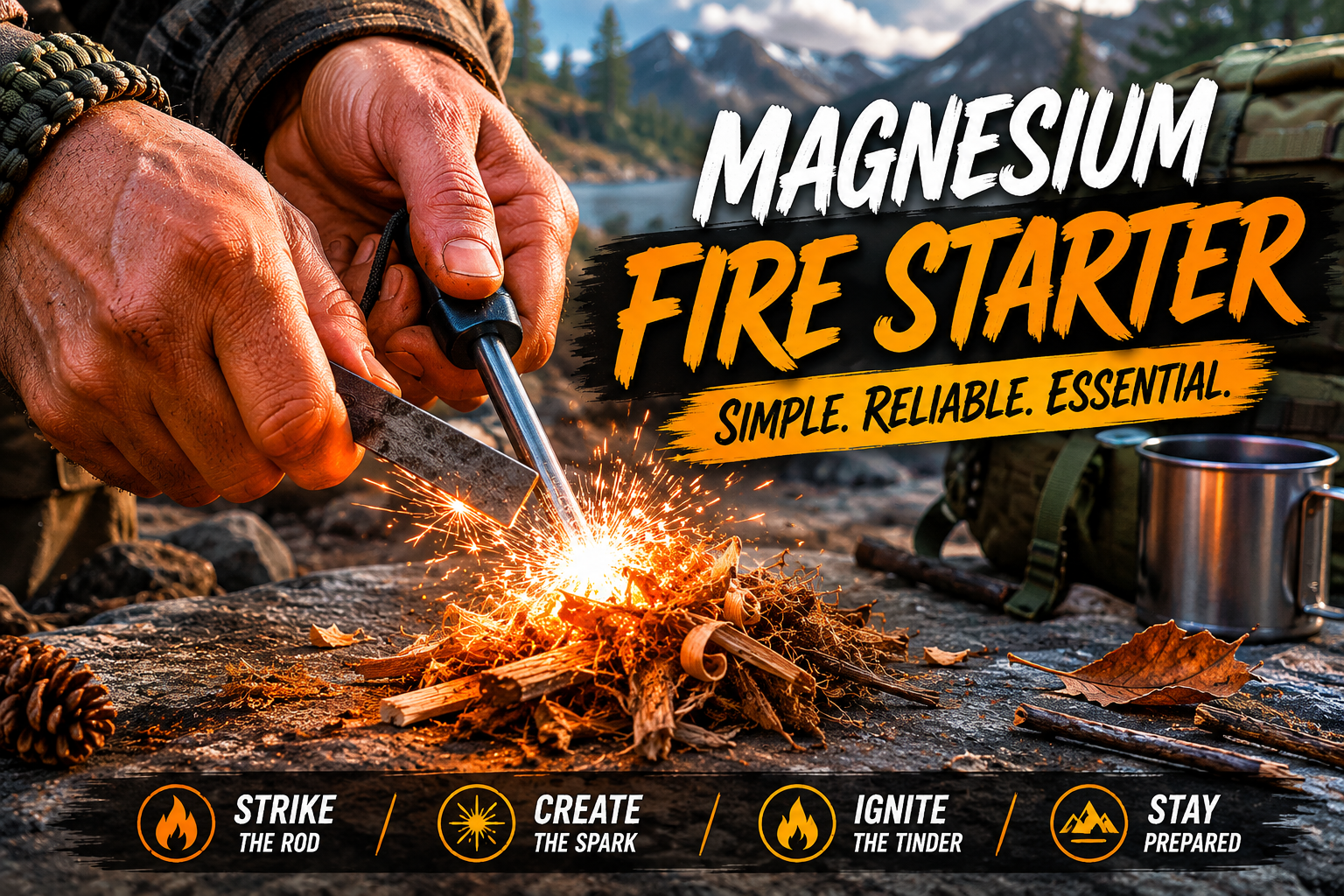
Hindsight: Why a Magnesium Fire Rod Belongs in Every Pack
A wet night on the Appalachian Trail showed one hiker how fast a lighter failure becomes a survival problem. Learn why a magnesium rod is a simple, reliable backup and what to watch for.
comparison / product
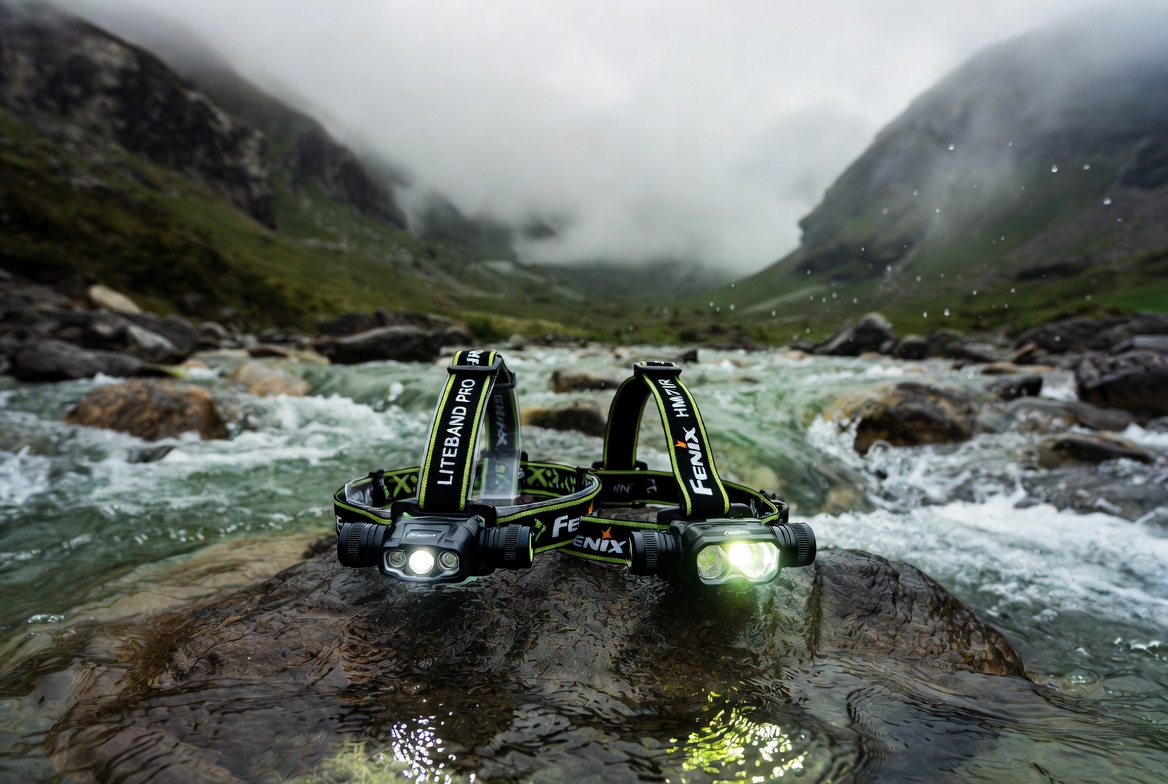
LITEBAND PRO vs Fenix HM71R: Which Rechargeable Headlamp Fits Your Work and Outdoors Needs?
A straight-up comparison of the LITEBAND PRO and the Fenix HM71R covering brightness, beam control, runtime, fit, and durability so you can pick the right headlamp for your tasks.