mistakes
The Problem With Pre-Made Survival Kits
Pre-made survival kits can look like an easy fix for emergencies, but many prioritize shelf appeal over real usefulness. Learn what these kits miss, where they help, and how to vet one before you rely on it.
Practical buying guide: survival kits / buying_guide
Published: Jun 1, 2026 / Updated: Jun 2, 2026
Prices, availability, and product details can change. Check current details with the seller before buying.
Article
Overview
Buying a ready-made survival kit feels smart. It promises a grab-and-go solution for storms, car trouble, or a short evacuation. For buyers who want something practical without building a kit from scratch, that convenience is appealing.
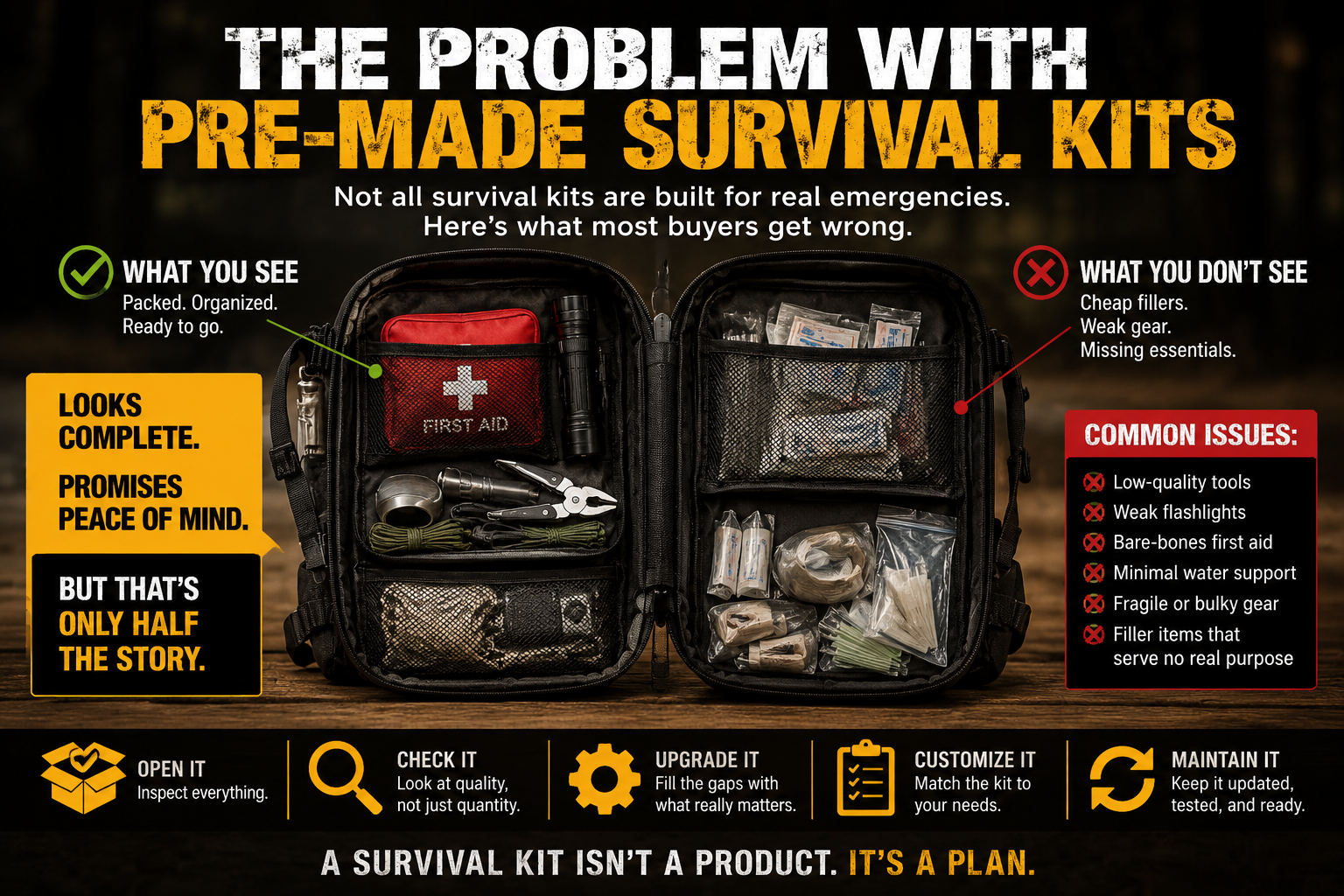
The catch is that many kits are designed to sell preparedness, not to meet real needs. You will see glossy photos and long item counts, but a closer look often reveals cheap fillers, short lifespans, and crucial gaps. That mismatch is why you should treat a sealed kit as a starting point, not a finished plan.
This guide explains the common flaws in pre-made kits, the problems high item counts hide, and the specific areas to inspect and upgrade. The goal here is practical: help you tell a useful kit from a marketing prop, so you do not waste money or trust a kit that fails when it matters.
Why pre-made kits feel right, and where they fall short
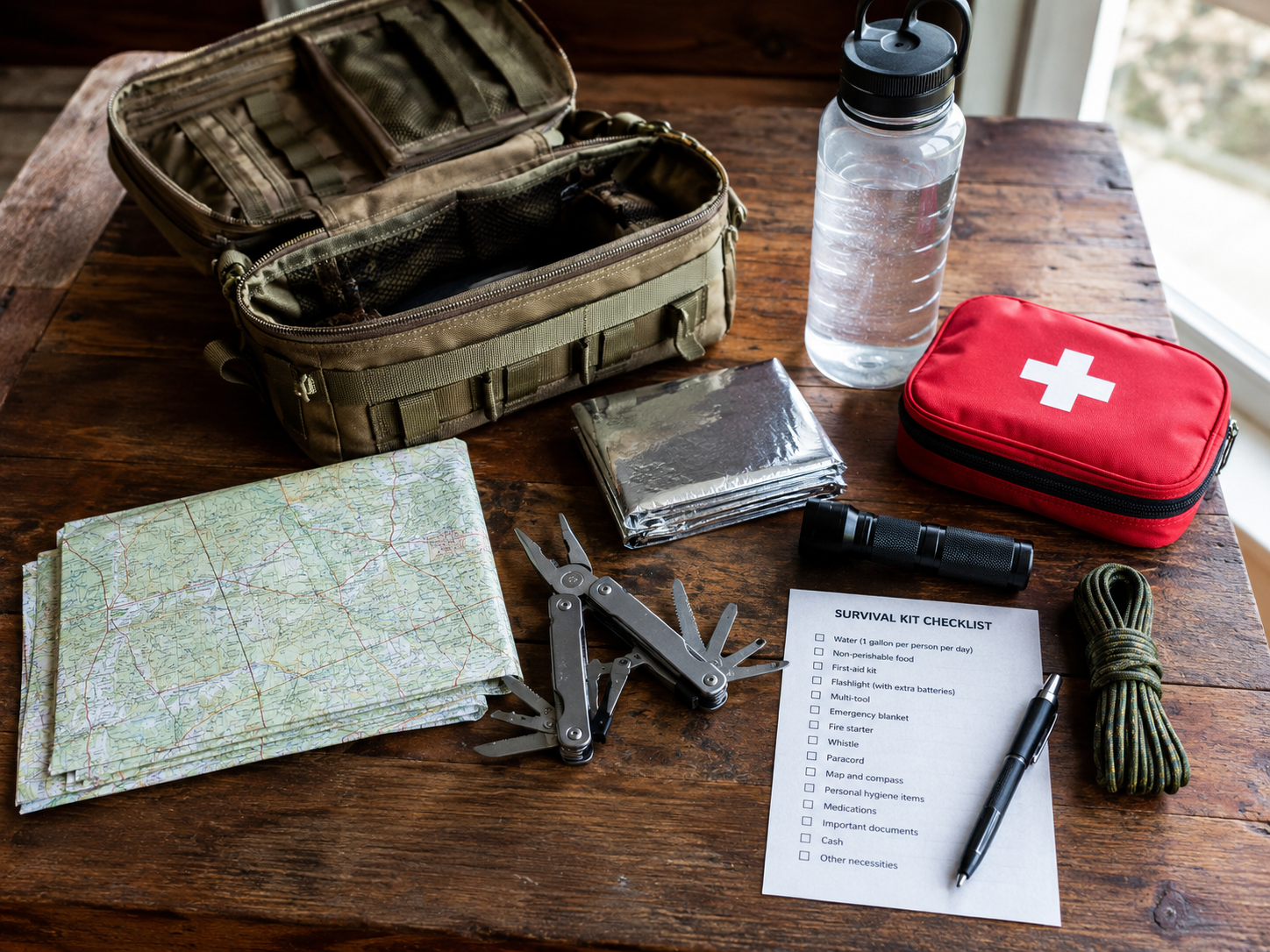
Pre-made survival kits sell a simple promise: everything you need is bundled and waiting. That sells because most buyers want peace of mind, not more decisions. A tidy pack or metal box looks like insurance you can buy once and forget. It is convenient, and that convenience matters when life is busy.
The problem is practical. Convenience creates false confidence. If you never open the pack, you do not know whether components are missing, expired, or incompatible with your needs. A sealed backpack does not teach skills like fire starting, navigation, or first aid. It also does not account for your personal situation, like medications, dietary needs, or local hazards.
Pre-made kits are not useless. They can jumpstart preparedness and provide a basic set of tools and supplies. The right approach is treat them as a starting point. Open the kit, inventory it, swap out items you will actually use, and train with the gear. That turns a shelf decoration into usable preparedness.
Practical buyers should balance convenience and customization. Buy a kit for structure, but plan for regular checks, upgrades, and practice. If you expect a pre-made pack to solve everything without effort, you are buying reassurance, not readiness. That distinction matters when things stop being theoretical.
The real problem isn’t that kits exist, it’s how people treat them
Pre-made survival kits are useful. The real problem shows up when buyers treat a sealed pack as the finish line. Kits are designed to look complete. A clear plastic window, a checklist, and a neat parts list make you feel covered. That confidence is fine,until you actually need something and find the kit was assembled to a price point, or for marketing, not your reality.
Item counts are another trap. A kit might boast 50 items, but many of those are tiny single-use pieces or duplicates that don’t change your odds in a real emergency. Buyers often don’t know what to look for, so missing essentials,like a reliable fire starter, a good-fitting shelter, or easily opened food,only become obvious under stress.
Preparedness is about matching your kit to likely scenarios, your skills, and local conditions. Think time frame, weather, medical needs, and how you will carry or access gear. A one-size-fits-all pack rarely fits a specific commute, family, or climate without changes.
The fix is simple and practical. Open the kit, handle the components, replace cheap or unfamiliar items, and add things you’ll actually use. Label consumables with dates, build redundancies for critical functions, and practice using what’s inside. Don’t demonize pre-made kits; use them as a starting point, not an excuse to stop preparing.
Why the piece count can be meaningless
A big number on the box makes a kit look impressive. A “100-piece” or “250-piece” label sells a feeling of preparedness, but it says almost nothing about whether you'll actually survive an inconvenient day, let alone an emergency. Those counts usually include tiny, low-value items that add bulk to the marketing copy while doing little in a real situation.
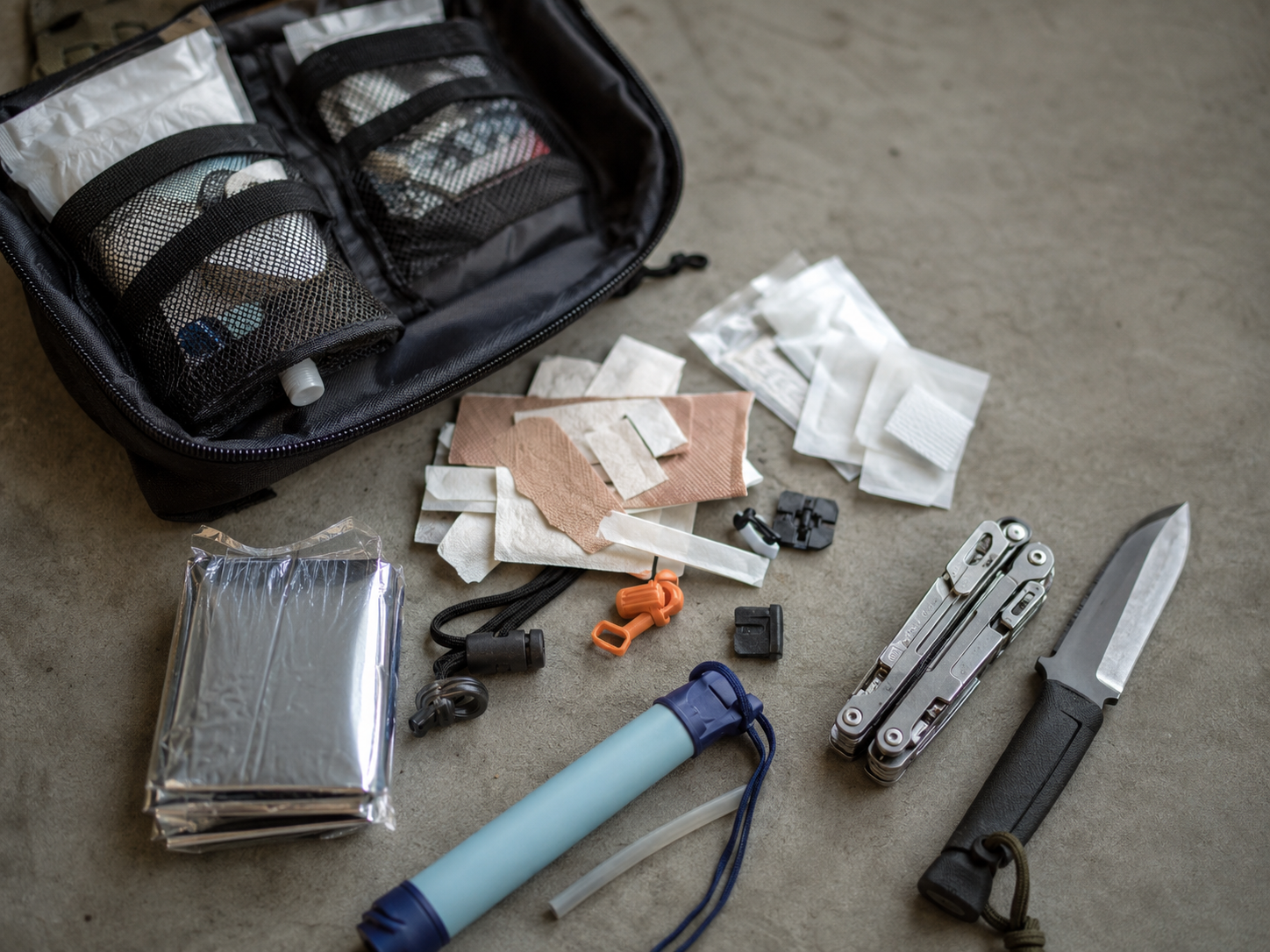
Common fillers are bandage strips counted one by one, single-use alcohol wipes, plastic clips, and miniature tools that bend or break the first time you use them. Item counts also inflate by including duplicates of the same low-utility piece. That creates a false sense of redundancy rather than true versatility.
When shopping, stop counting pieces and start listing functions. Ask whether the kit has a reliable cutting tool, a quality water treatment option, a compact shelter or heat source, and robust first-aid supplies for bleeding and shock. Ten well-chosen, durable items that cover core needs are far more useful than 100 throwaway pieces.
A practical tradeoff: some kits include small fillers you might actually use for convenience, like safety pins or duct tape snippets. That is fine, but only after the essentials are solid. If the product page highlights the piece count more than the actual items, treat it as a red flag and look for a contents list with brand names or specs you can evaluate.
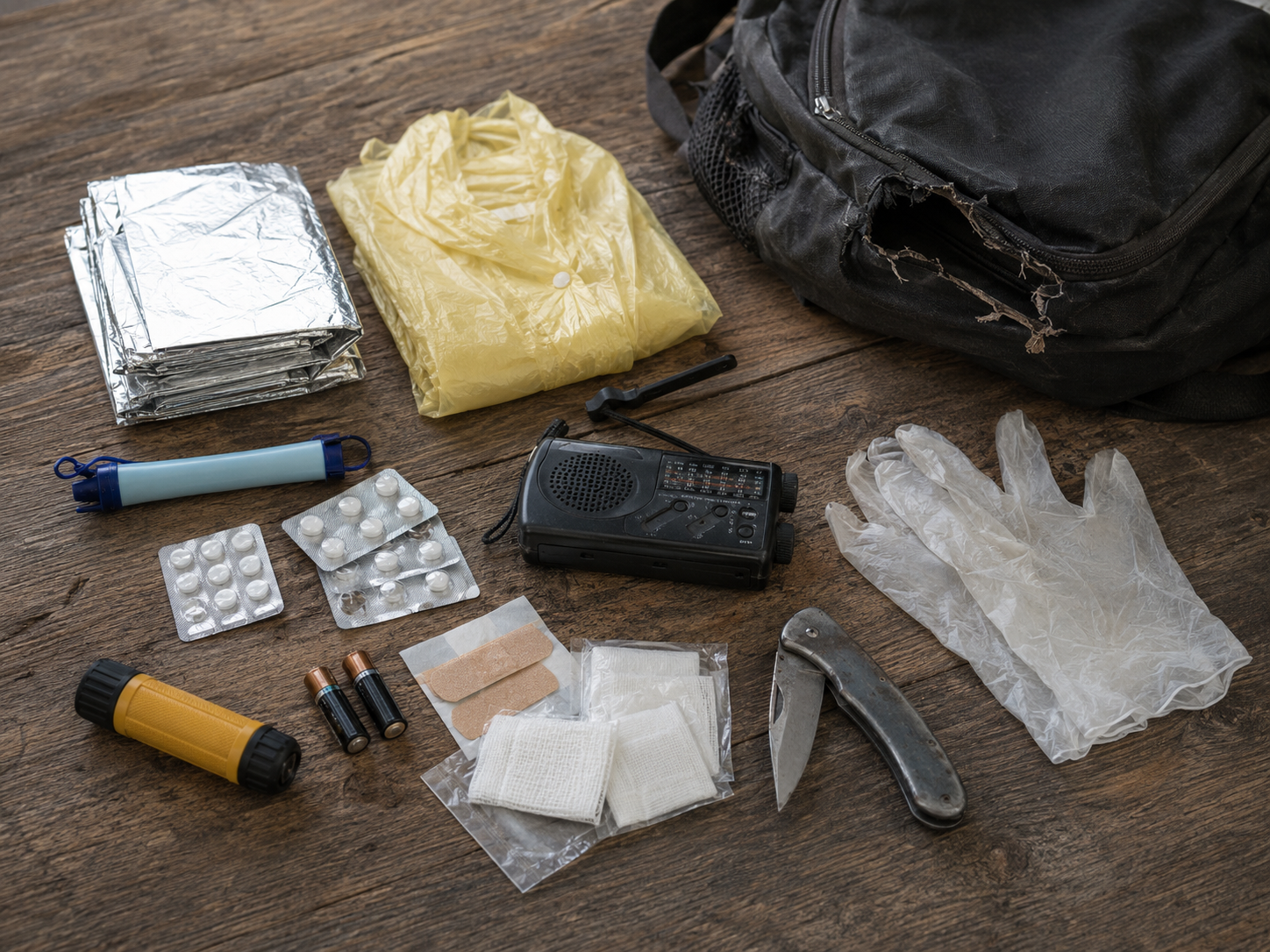
Common weak spots in pre-made survival kits
Pre-made kits often look complete on paper, but they scatter small, low-quality items across many categories. That makes them feel reassuring, but it also means you get a little of everything and not enough of the things that actually keep you safe.
Water is a frequent afterthought. Kits will include a tiny filter straw or a couple of water purification tablets and call it done. Those are useful additions, but they are not a substitute for adequate water storage, spare purification media, or a plan to resupply. If you end up relying on tablets exclusively, you quickly run into dosage limits, taste issues, and slow processing times.
First aid in many kits is also superficial. You might get adhesive bandages, a few gauze pads, and antiseptic wipes, but not the items needed for real bleeding control, splinting, or managing infection beyond basic cuts. If you need to treat anything more than a scrape, the standard kit contents will fall short unless you add proper trauma supplies and replenish after use.
Battery-powered items like flashlights and radios are often paired with cheap cells or non-replaceable batteries. That leaves you with lights that dim fast and no way to recharge or swap in fresh power. The same goes for small tools and knives. A thin folding knife or scissors work for light tasks, but they bend or break when used for heavy cutting. Glove quality is frequently poor too, which makes handling debris and rough materials riskier.
Shelter and warmth items are low on substance in many kits. A mylar blanket and a thin poncho look compact, but they do not replace a proper tarp, insulating layers, or a heat-reflective sleeping system in cold or prolonged exposure scenarios. Food and its storage are another gamble. Many kits include calorie-dense bars with long shelf lives, which is fine, but often not enough calories for multiple days. Check expiration dates and plan for rotation.
Finally, bag and carry quality tends to be weak. Thin zippers, poor stitching, and no internal organization make a kit hard to use when you need something fast. Communication and power backup are shyly addressed: a small hand crank radio or single-use power bank is better than nothing, but they are stopgaps, not reliable systems. The practical takeaway is this: treat pre-made kits as starting points. Expect to upgrade core items,water capacity and treatment, meaningful first aid, solid lighting and power, robust tools, and a durable pack,rather than relying on the one-kit-fits-all promise.
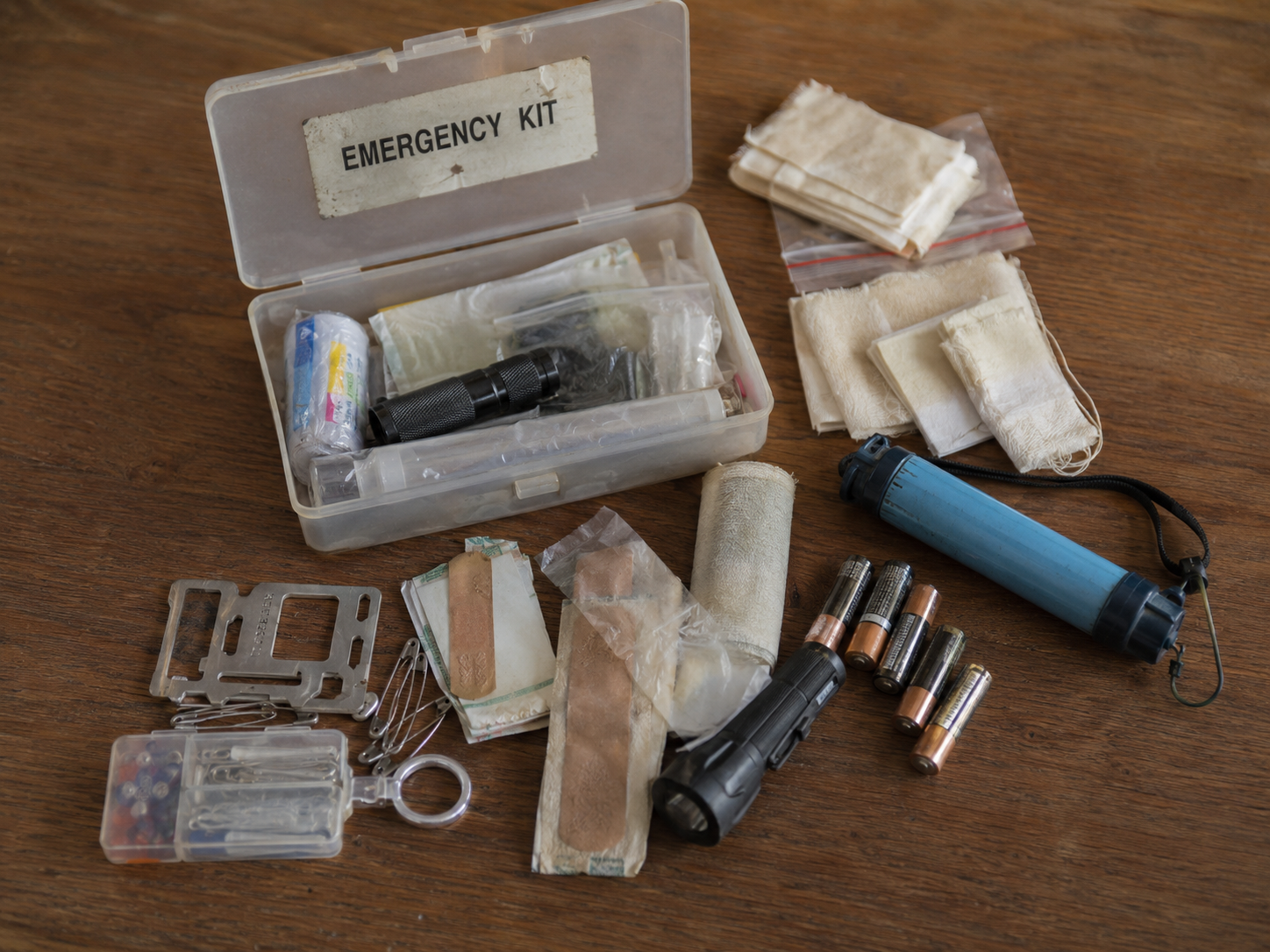
Why pre-made kits often fail when you actually need them
Pre-made survival kits can feel reassuring, but they commonly fail on simple, avoidable points. Manufacturers often skimp on size and build quality. Compact tools look neat in photos but break or are hard to use with cold, wet, or gloved hands. Cheap fabrics, thin plastic cases, and undersized tools create false confidence rather than real capability.
Kits also suffer from mismatch. A kit labeled "emergency" might be aimed at car roadside fixes, not prolonged home power outages or a fast evacuation. A camping-focused pack will have fuel and stove-related items that are useless if you need a grab-and-go evacuation kit. Treat each kit type as a different tool, not a one-size-fits-all solution.
Some items only help if you know how to use them. Water filters, fire starters, and emergency radios require practice. Tossing them in a bag without drills or instructions turns potentially lifesaving gear into dead weight. Likewise, perishables and batteries degrade. Kits left untouched for a year can have corroded batteries, expired first-aid supplies, or stale food.
Poor packing is an everyday failure point. Critical items tucked under soft gear, buried in zip pockets, or packed in sealed tubes are hard to reach during stress. A practical kit is organized so you can grab the essentials fast. If the pre-made option doesn’t prioritize access and maintenance, plan to reconfigure it or build your own tailored kit.
When a Pre-Made Kit Actually Helps
Pre-made survival kits still have a place. They are the fastest way to get a basic foundation when you need something now: for a car trunk, an office, a dorm room, or a starter emergency bin at home. For someone who has zero gear and limited time or confidence, a decent kit stops you from having literally nothing when an emergency hits.
That said, treat a pre-made kit as a starting point, not a finished product. The good ones give you a usable bag, a handful of core supplies, and items that are easy to swap out or upgrade. The bad ones tuck low-quality tools into a flashy package and call it ready. Plan to inspect the contents, replace the junky items, and add personal needs like medication, documents, and preferred food.
Where these kits win is convenience and consistency. They save you the time and research to pull together basics like a first-aid kit, a light source, fire-starting supplies, and basic shelter items. They are especially useful when you need multiple kits quickly, for example to outfit several cars or hand out to family members.
The tradeoff is customization. A pre-made kit will rarely match your environment or medical needs perfectly. If you care about weight, durability, or long-term sustainability, buy a simple kit and upgrade it deliberately. If you just want a fast, reasonable fallback, a well-chosen pre-made kit is better than nothing,but plan to make it your own as soon as practical.
Pre-purchase checklist: what to inspect on a survival kit
Treat a pre-made kit like a used car. You need to know what’s under the hood, not just how it looks. Before you buy or trust a kit, go item by item and answer these questions. If the seller won’t list specifics, walk away.
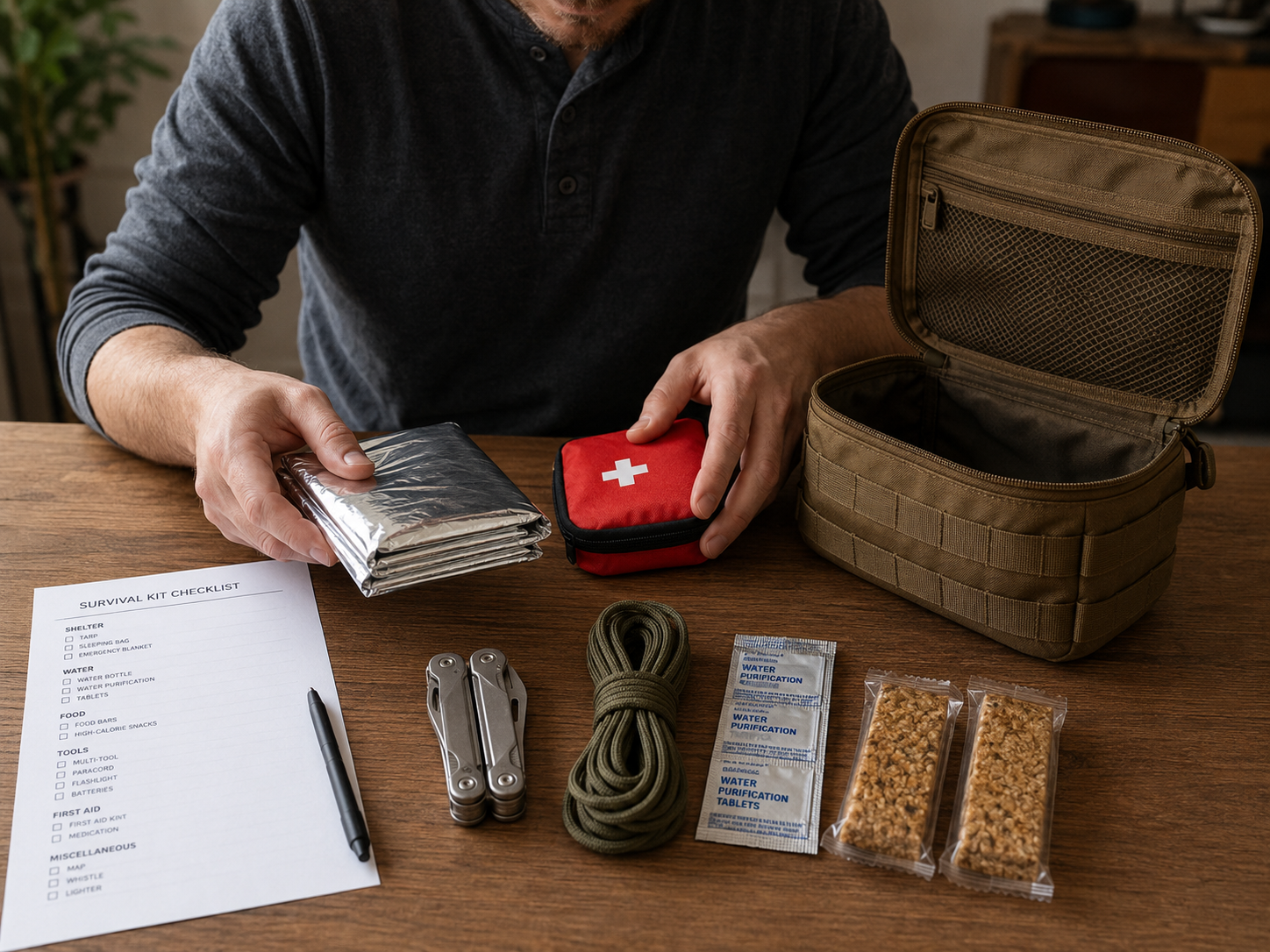
Start with the basics: open the packing list and verify what is actually included. Don’t accept vague lines like “assorted tools” or “medical supplies.” Count items, check sizes, and note brands on critical gear. Cheap, generic labels often mean plastic junk that fails when you need it.
Match the kit to the scenario you care about. A roadside kit can be tiny and focused on signaling and first aid. A home kit needs multi-day water, shelter, and heat options. Backcountry kits should prioritize weight, navigation, and lightweight shelter over long-term food stores. If the kit’s purpose is unclear, it likely won’t work in a real emergency.
Use the checklist below to inspect specifics. Treat missing or low-quality entries as red flags, and pick a kit that leaves room for your personal items and upgrades. Real preparedness is a kit you can rely on, not a pretty package you hope will do the job.
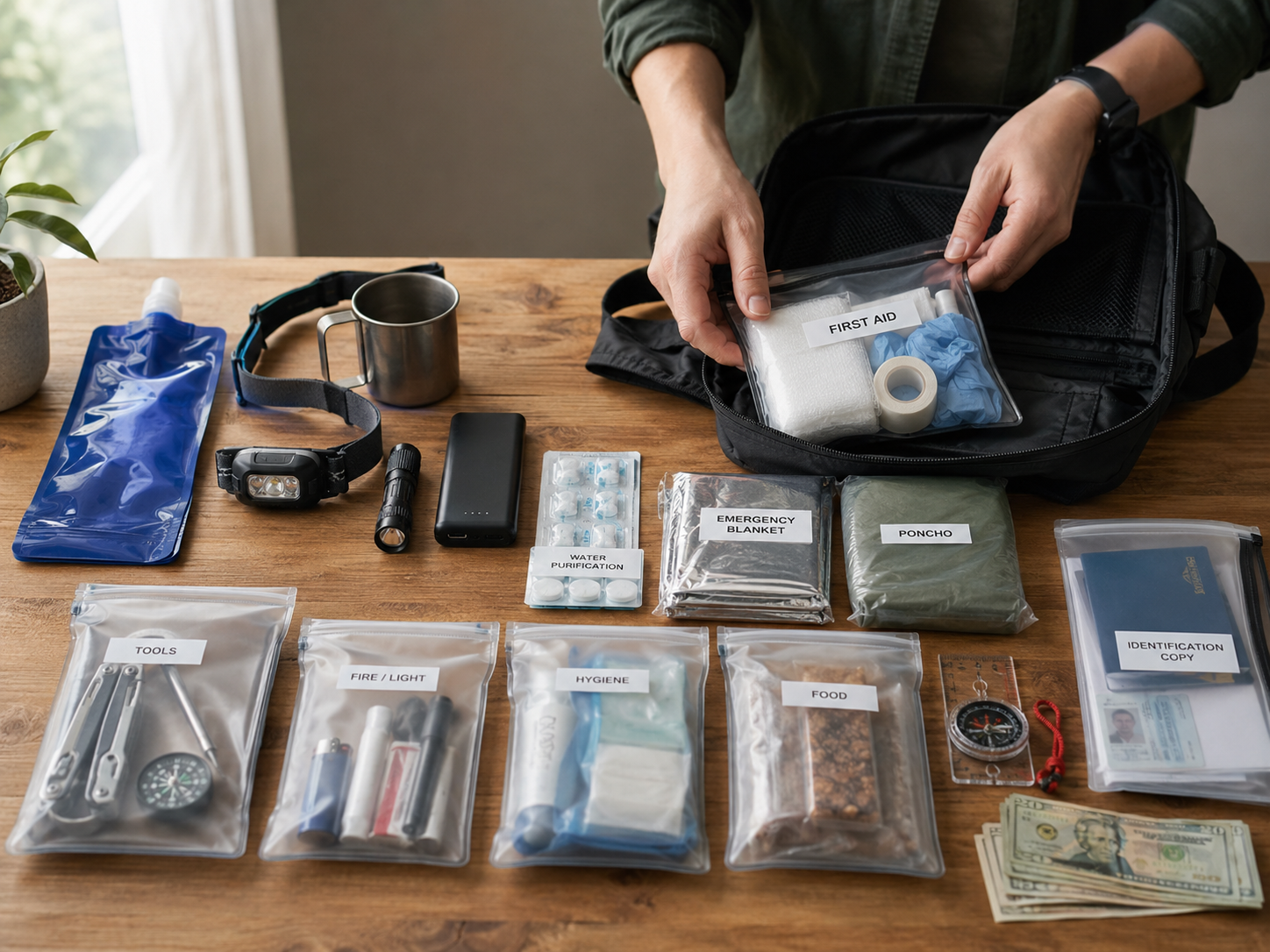
How to upgrade a pre-made survival kit without starting over
A pre-made kit can be a decent starting point if you treat it like a draft, not a finished plan. Start by pulling everything out and laying it on a table. Toss anything that looks like a toy, single-use gimmick, or duplicate junk. If you never use it in training, it has no place in a go-bag.
Swap the weak lights. Cheap penlights and glow sticks look useful until you need steady illumination at night. Replace them with a dependable compact flashlight or headlamp, and carry spare batteries or a small rechargeable battery pack. If you choose rechargeables, add a solar trickle option or a hand crank for long outages.
Upgrade water and treatment. Replace small disposable bottles with a durable 1-liter bottle or collapsible bladder, plus a reliable treatment method: iodine tabs, a pump filter, or a gravity filter depending on how long you expect to be out. Include a metal cup or pot if the kit lacks one, so you can boil when needed.
Improve the first aid. Toss single antiseptic wipes and tiny Band-Aids in favor of quality gloves, adhesive tape, sterile gauze, an trauma dressing or Israeli bandage, antiseptic solution, and blister supplies. Add personal prescriptions and a list of dosages and allergies. Keep these items in a separate, clearly labeled pouch near the top of the pack.
Add weather protection and clothing basics. A lightweight poncho, emergency blanket, or small tarp is cheap insurance. If the kit is for car use or cold climates, add a warm hat and gloves, or a packable down layer. Make choices based on likely local hazards, not the ad copy.
Include practical documents and power. Add a waterproof pouch with copies of IDs, insurance info, emergency contacts, and some small-denomination cash. Pack a phone charger, a charging cable for common devices, and a small power bank. Store one printed map and a compass if you expect navigation challenges.
Repack for access and redundancy. Put critical items like water, first aid, and light where you can reach them without dumping the bag. Use zip pouches or dry bags to separate categories, and duplicate a few essentials (light, fire, water treatment) in different places so a crushed zipper does not ruin the whole kit. Label pouches and practice opening the bag once to make sure the layout works.
Finally, schedule simple maintenance. Check batteries, medication expiry dates, and food every six months. A kit is only useful if it is maintained, and upgrading is an ongoing, manageable task rather than a one-time splurge.
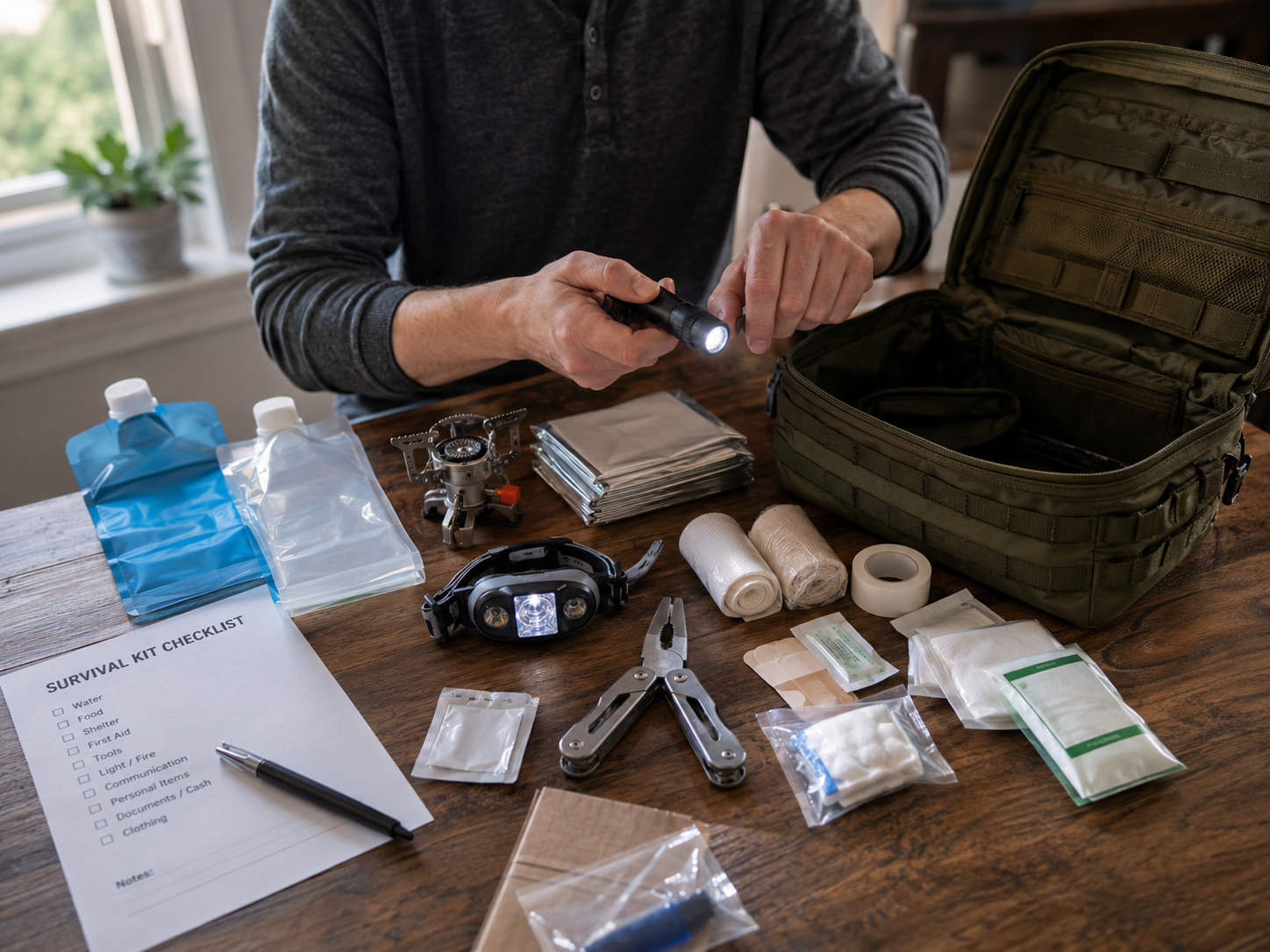
BuyerProbe take: treat pre-made kits as a starting point, not a guarantee
Pre-made survival kits are popular because they remove decision fatigue. That does not mean they solve your emergency needs. A kit can be a perfectly reasonable buy if it gives you a usable base: decent tools, clear packaging, and components you actually know how to use. But treat it like raw materials, not a finished plan.
Open the kit the moment you get it. Inspect every item, test anything that needs testing (lights, filters, stoves), and replace anything that looks like cheap filler. Pay attention to the things most people ignore: usable water capacity, actual food calories, quality of shelter systems, and whether tools are serviceable in the field. If the package leans on inflated piece counts or lots of single-use gadgets, walk away.
Customize the kit to your situation. Add things for climate, family size, pets, mobility, and local hazards. Learn how to use the gear, practice basic repairs, and set a maintenance schedule. The best kit is not the one with the biggest number on the label; it is the one you understand, maintain, and can actually deploy under stress.
Bottom line, a pre-made kit is a convenience, not a silver bullet. Use it to shortcut procurement, not to avoid planning. If you buy one, be prepared to invest time and a small amount of extra money to make it reliable in real situations.
More BuyerProbe Reads
Keep Reading
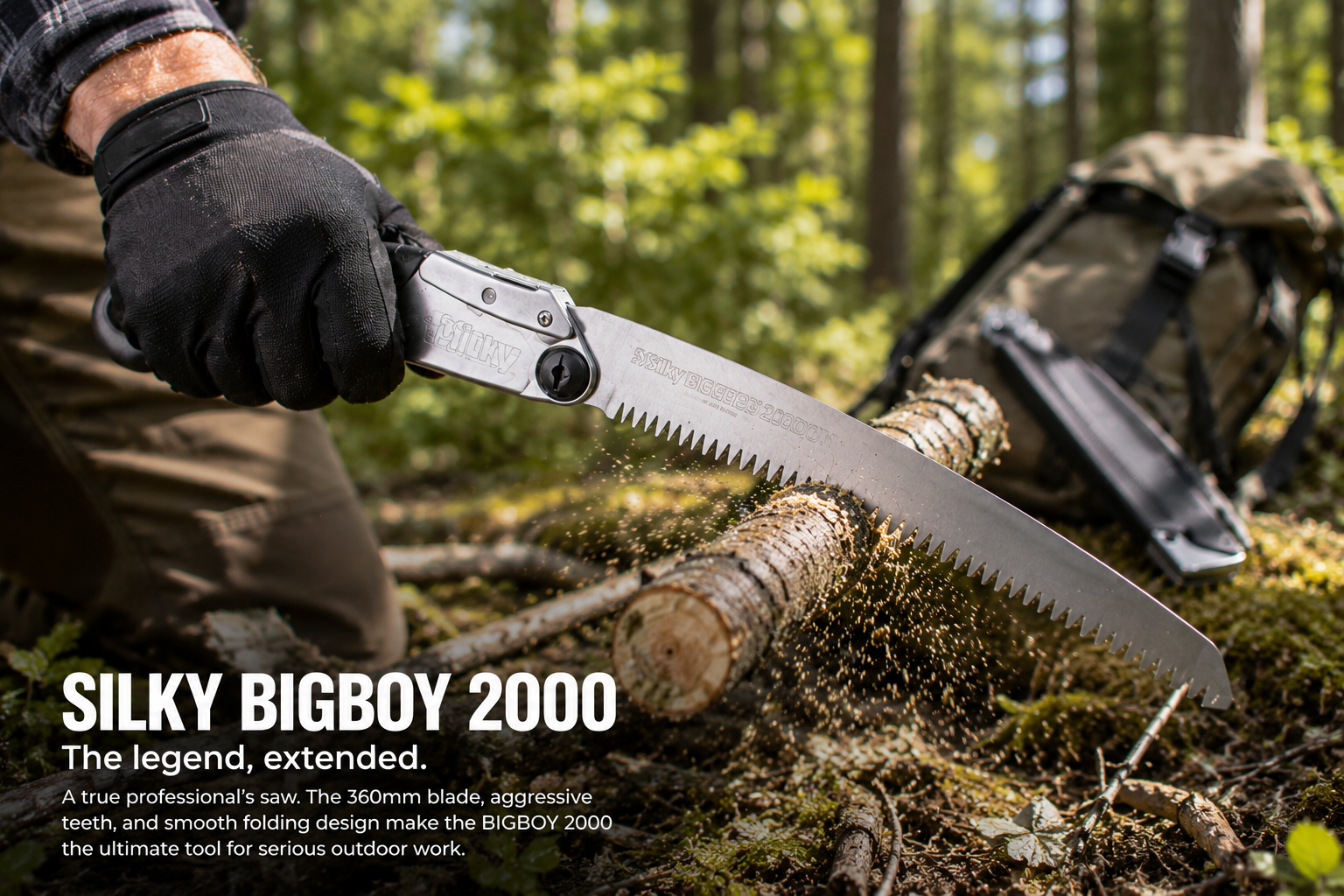
review / product
Silky Professional BIGBOY 2000 Folding Saw: durable, fast cutting for heavy yard and trail work
A practical look at the BIGBOY 2000 after a year of regular use. Learn what it handles well, its real limitations, and who should buy it.
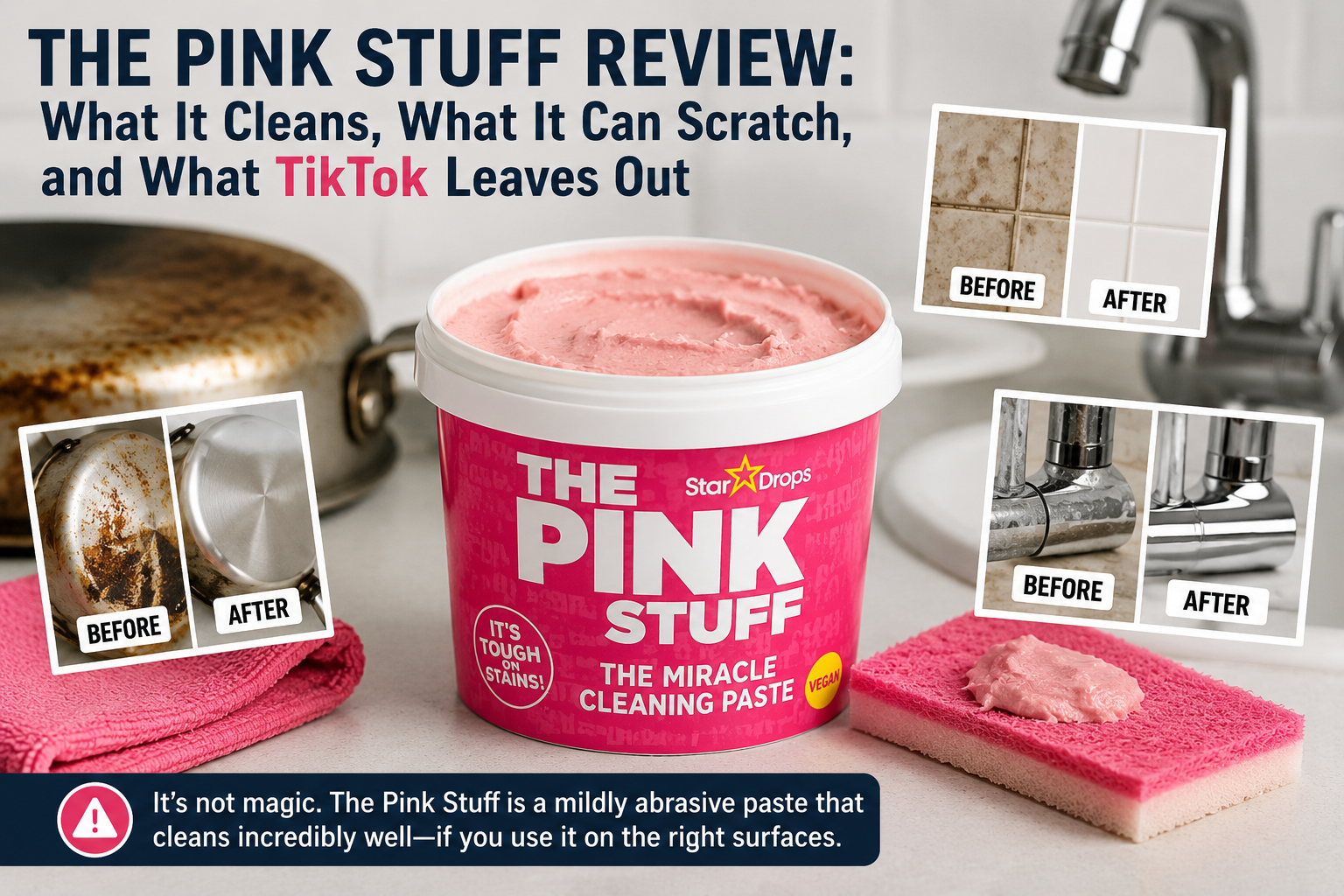
review / comparison
The Pink Stuff Review: What It Cleans, What It Can Scratch, and What TikTok Leaves Out
A practical look at The Pink Stuff Miracle Cleaning Paste and what viral videos do not show. Learn where it shines, where it risks damage, and better options for delicate surfaces.

review / product
Smart glasses buying checklist: what to actually watch for
Smart glasses are tempting, but don’t buy on novelty. This checklist walks through the practical features and tradeoffs to check before you spend.
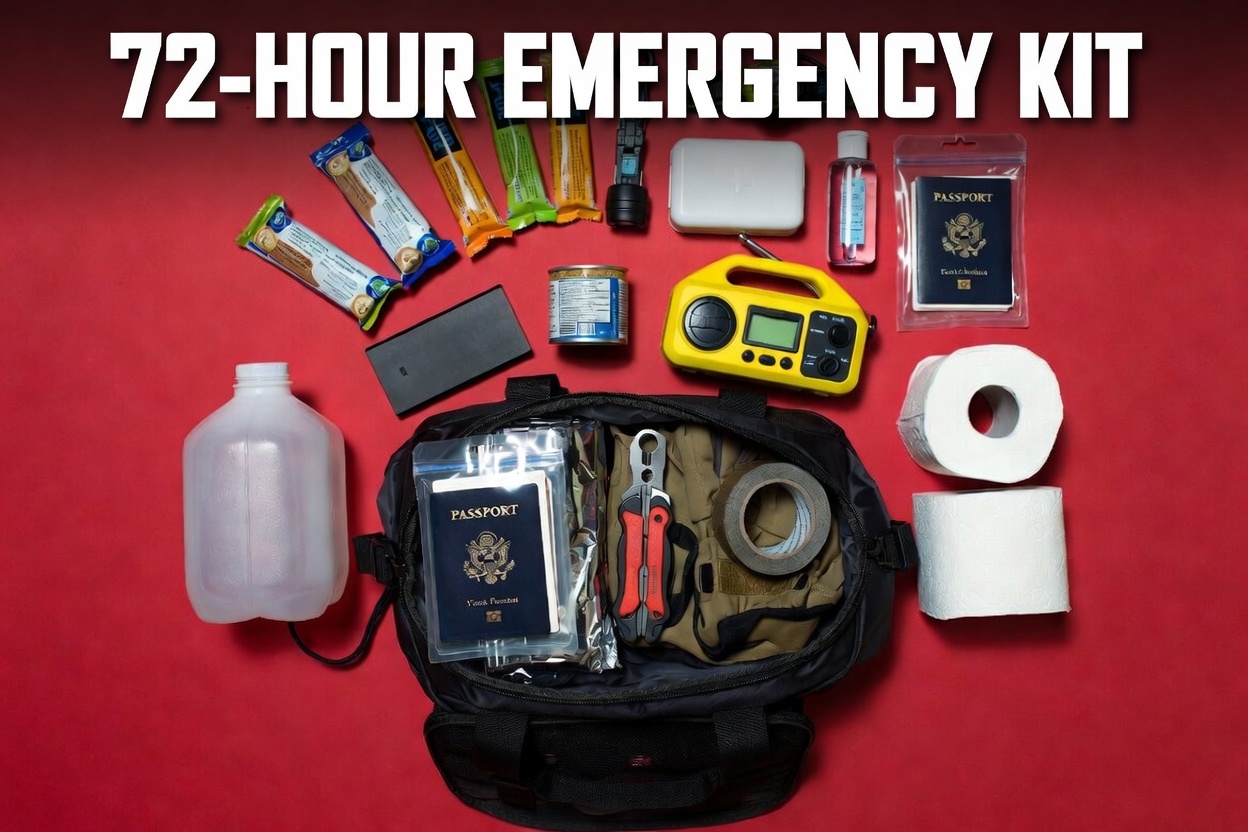
buying-guide / buying_guide
What to Pack in a Practical 72-Hour Emergency Kit
How to build a real 72-hour emergency kit that covers water, food, warmth, hygiene, tools, and meds without filler items that waste space. Learn what to prioritize and what low-value extras to skip.
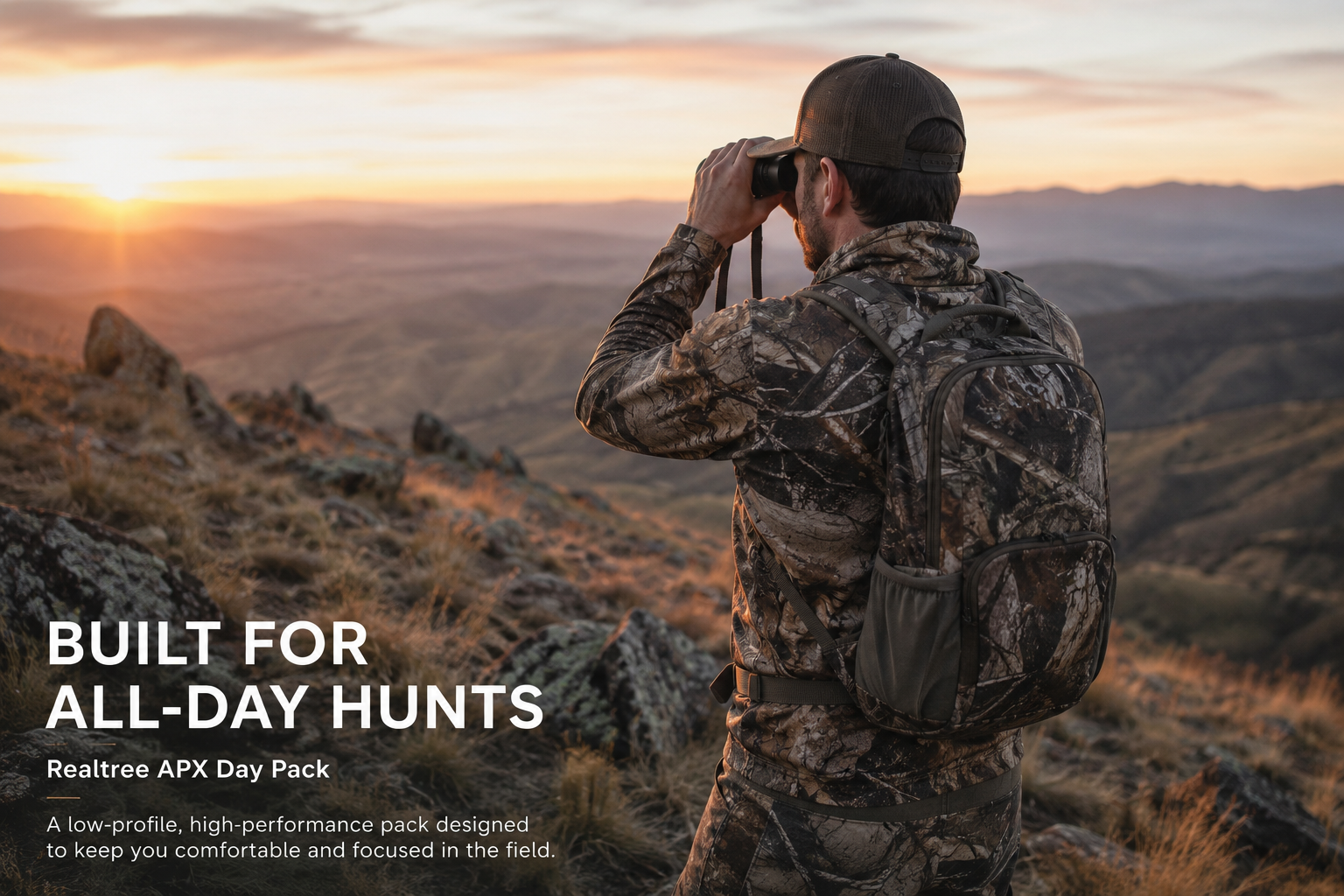
review / product
ALPS OutdoorZ Crossfire Pack (Realtree APX) Review: A Comfortable Day Pack for Hunters
A hands-on look at the Crossfire 23L hunting pack. Learn where it shines, who should buy it, and which hunters should look for bigger, tougher alternatives.
hindsight / product
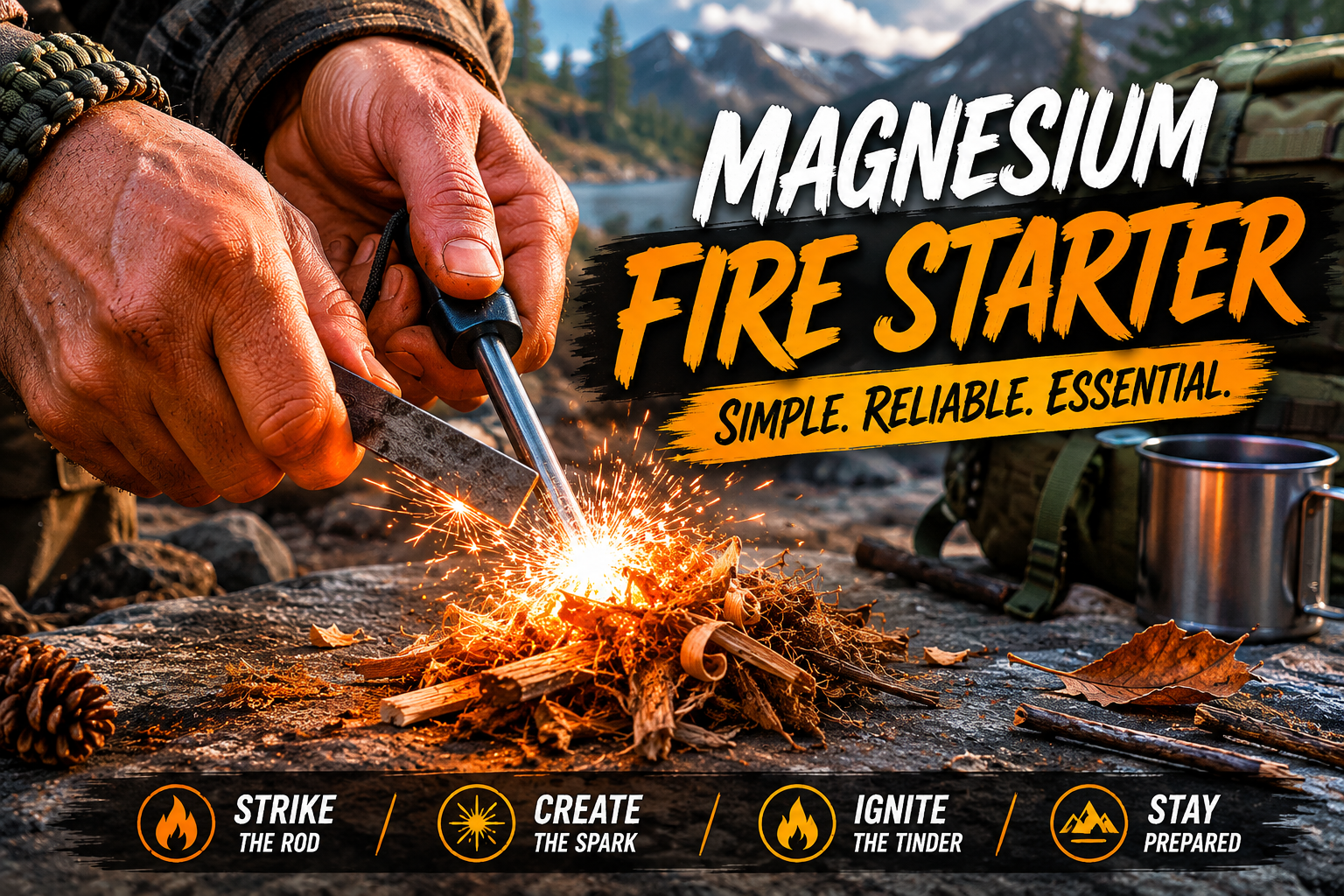
Hindsight: Why a Magnesium Fire Rod Belongs in Every Pack
A wet night on the Appalachian Trail showed one hiker how fast a lighter failure becomes a survival problem. Learn why a magnesium rod is a simple, reliable backup and what to watch for.
comparison / product
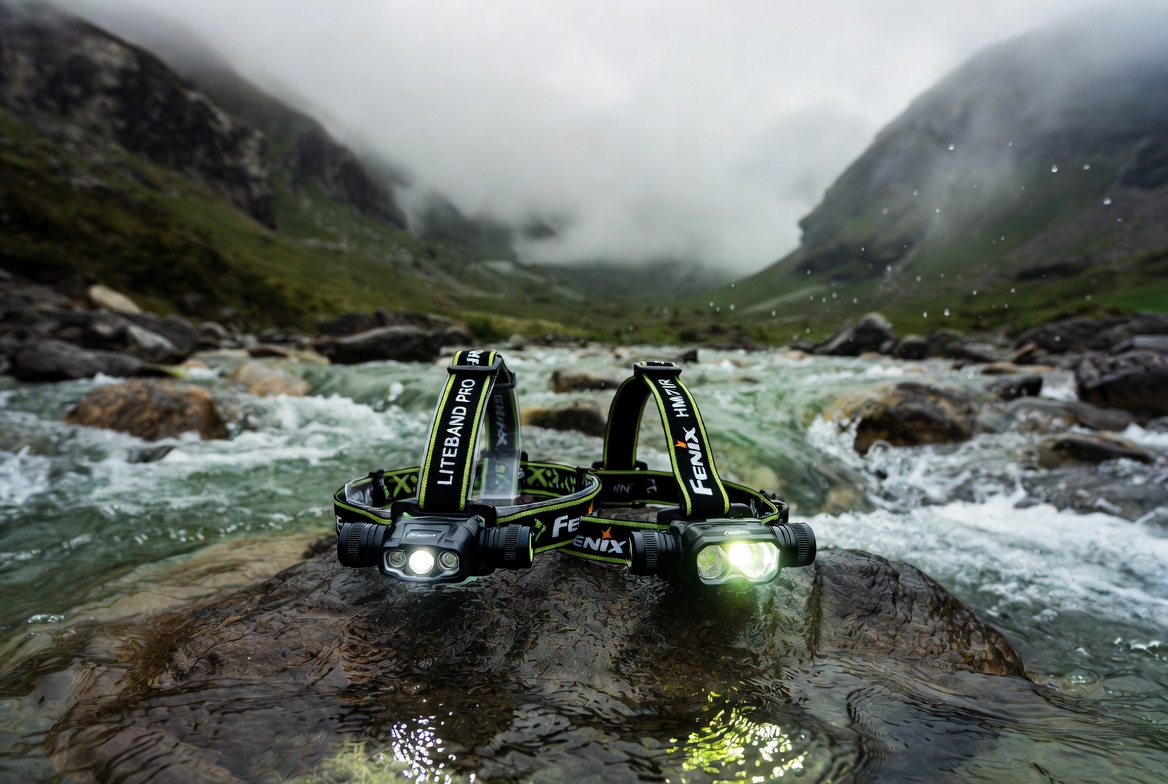
LITEBAND PRO vs Fenix HM71R: Which Rechargeable Headlamp Fits Your Work and Outdoors Needs?
A straight-up comparison of the LITEBAND PRO and the Fenix HM71R covering brightness, beam control, runtime, fit, and durability so you can pick the right headlamp for your tasks.

comparison / product
Patagonia Torrentshell 3L vs. Arc'teryx Beta SL: Which Rain Jacket Is Best for You in 2026?
A head-to-head comparison of two leading 3-layer rain shells that helps you match performance, weight, and price to your needs—commuting, hiking, or alpine missions.